He Died at 55—Hip-Hop Fans Were Heartbroken by the Loss of This Legendary DJ…
 Samir Shah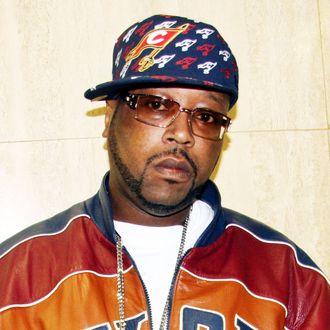
A Hip-Hop Legend Has Died at 55 After Months of Fighting COVID-19
The hip-hop community is mourning the death of a longtime New York DJ whose career stretched from the city’s graffiti scene into mixtapes, radio, and the record business. He died on Sunday, April 17, after spending four months battling COVID-19. He was 55.
The news was confirmed by Hot 97 and his family, bringing an emotional end to a career that had made him a familiar voice in hip-hop for more than two decades. Hot 97 remembered his years with the station and the memories created during his long-running “Drama Hour” program.
His family also released a statement asking fans and supporters to keep them in their thoughts while they grieved. They described him as a major figure in hip-hop culture whose passion and dedication had earned him fans around the world. They also asked the public to respect the family’s privacy during the difficult period.
The illness had become a serious concern months earlier. In January, music manager Wack 100 revealed that the DJ had been hospitalized in New York while fighting COVID-19. He said his condition had become severe and asked supporters to pray for him after he was placed on a ventilator.
That announcement gave fans an early indication of how serious the situation had become. For weeks afterward, many people in the music community hoped he would recover. After a four-month fight, however, his family confirmed that he had passed away.
His journey into hip-hop began long before he became a major radio personality. Born in New York as Keith Grayson, he was known in his younger years by another identity connected to the city’s graffiti movement. He worked as a graffiti artist under the name Dez and became part of a culture that was closely linked to the development of early hip-hop.
When the graffiti era began to decline toward the end of the 1980s, Grayson found another way to remain involved in the culture. He started selling hip-hop mixtapes, eventually building a large following through his work as a DJ and curator.
:max_bytes(150000):strip_icc():focal(749x0:751x2)/dj-kay-slay-2-6d3f47449ebc4df19582f6ba475b5b94.jpg)
His mixtapes became an important part of his reputation. His studio attracted numerous rappers and performers, including 50 Cent, Eminem, Foxy Brown, Kid Capri, and many others. His ability to bring artists and music together helped establish him as a recognizable figure within the rap community.
Over time, his career expanded beyond DJing. He became involved in the record business and released several projects, including The Streetsweeper, Vol. 1, The Streetsweeper, Vol. 2, The Champions: North Meets South, which he made with Atlanta DJ Greg Street, and More Than Just a DJ.
Radio became another defining part of his career. His work at Hot 97 gave him a platform that reached listeners throughout New York and beyond. For more than 20 years, the “Drama Hour” became closely associated with his distinctive personality and approach to hip-hop.
His style was also known for its sharp humor and competitive energy. The New York Times once described him as “Hip Hop’s One-Man Ministry of Insults,” a description that reflected the confrontational character that had become part of his public identity.
Despite his reputation for stirring up strong reactions, people close to him remembered him as more than an entertainer. Wack 100 described him as a cultural icon and a member of the Hot 97 family, while expressing sympathy for his relatives, friends, and supporters around the world.
His influence reached across different periods of hip-hop history. He experienced the culture through graffiti, underground mixtapes, major radio, artist relationships, and record releases. That long career allowed him to remain connected to the genre as its technology, audience, and business changed.
For longtime fans, his passing represents the loss of a distinctive voice from New York’s hip-hop scene. His work helped preserve the energy of an era when DJs and mixtapes could play a major role in connecting artists with listeners.
The man whose career carried him from graffiti walls to some of the biggest platforms in hip-hop was DJ Kay Slay, also known as The Drama King.