Images you gotta look at twice
 Elena Rossi
These Ordinary-Looking Photos Hide Strange Details That Can Completely Fool Your Eyes

Some photographs seem completely normal when you first see them. You look at the people, the background, and the objects, then keep scrolling. But sometimes, one tiny detail changes everything. You look again, and suddenly the picture does not seem as simple as it did a few seconds earlier.
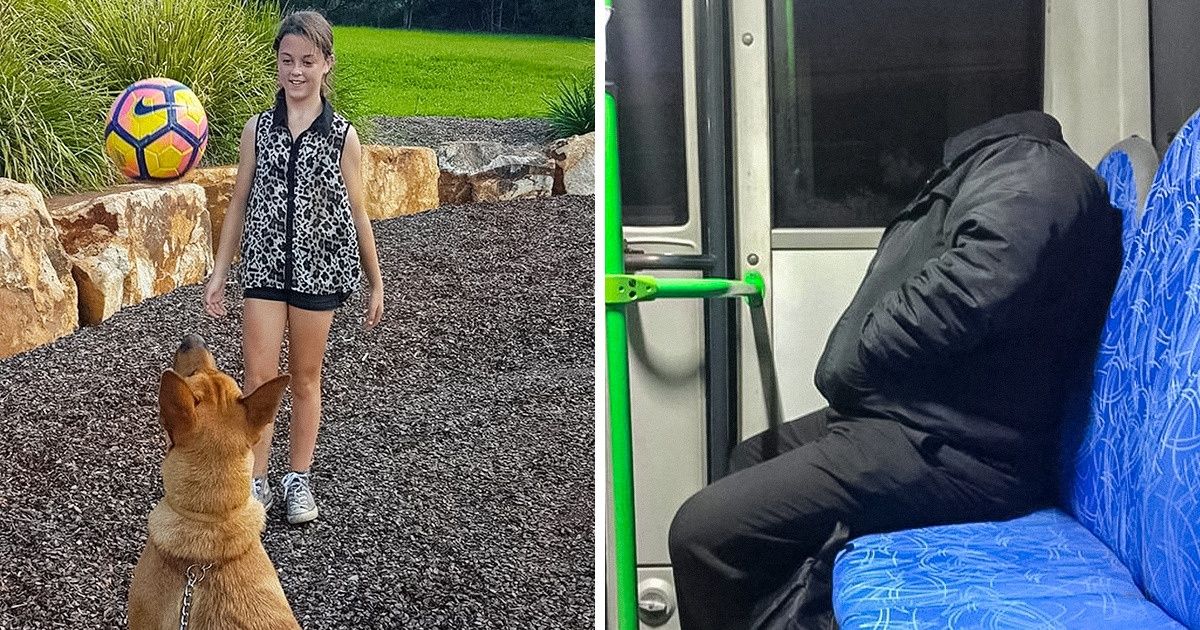
That is what makes “look twice” images so popular online. They capture ordinary moments but contain something unexpected. It might be a strange shadow, a reflection, an unusual position, or two objects lining up so perfectly that they create a completely different image. Your eyes see one thing first, while your brain takes another moment to understand what is actually happening.
Our brains are designed to recognize patterns quickly. This helps us understand the world without thinking about every small detail. But photographs can sometimes confuse that process. A camera angle can change how large something appears. A reflection can make an object look like it is somewhere else. Even a simple shadow can create an image that seems impossible at first.

That brief confusion is exactly what makes these pictures so interesting. Instead of immediately understanding the scene, people are forced to investigate it. They move closer to the screen, look at the corners, follow shapes, and sometimes turn their attention to the background. When the answer finally becomes clear, there is a small sense of satisfaction, almost like solving a visual puzzle.
Many of these strange photographs are not carefully planned. They happen because of perfect timing. Someone may stand behind another person at exactly the right angle, making their bodies appear connected. A pet may be positioned in a way that makes it look completely different. Objects in the background can also line up with people in the foreground and create an accidental illusion.

Then the comments make everything even more entertaining. One person may understand the trick instantly, while another can stare at the same photograph for several minutes without seeing it. People start explaining what they noticed, tagging friends, and sharing the image to see whether others can figure it out too.
The internet has made these moments even more powerful. A confusing picture can stop someone from scrolling because curiosity takes over. Instead of simply viewing the post, people spend extra time trying to understand it. That attention can lead to comments, shares, and conversations, helping a surprising image travel much further than an ordinary photograph.
There is also a newer challenge: edited and AI-created images. Modern technology can produce pictures that look convincing while hiding unusual details. That means viewers are increasingly becoming digital detectives, checking reflections, hands, shadows, backgrounds, and other small clues to decide whether an image makes sense.
Maybe that is the real reason these images are so hard to ignore. They remind us that our first impression is not always the complete story.

Sometimes, the most interesting part of a picture only appears after you stop, look closer, and give it one more chance.