Will Reeve Opens Up About His Testicular Cancer Battle and Road to Recovery
 Nora Patel
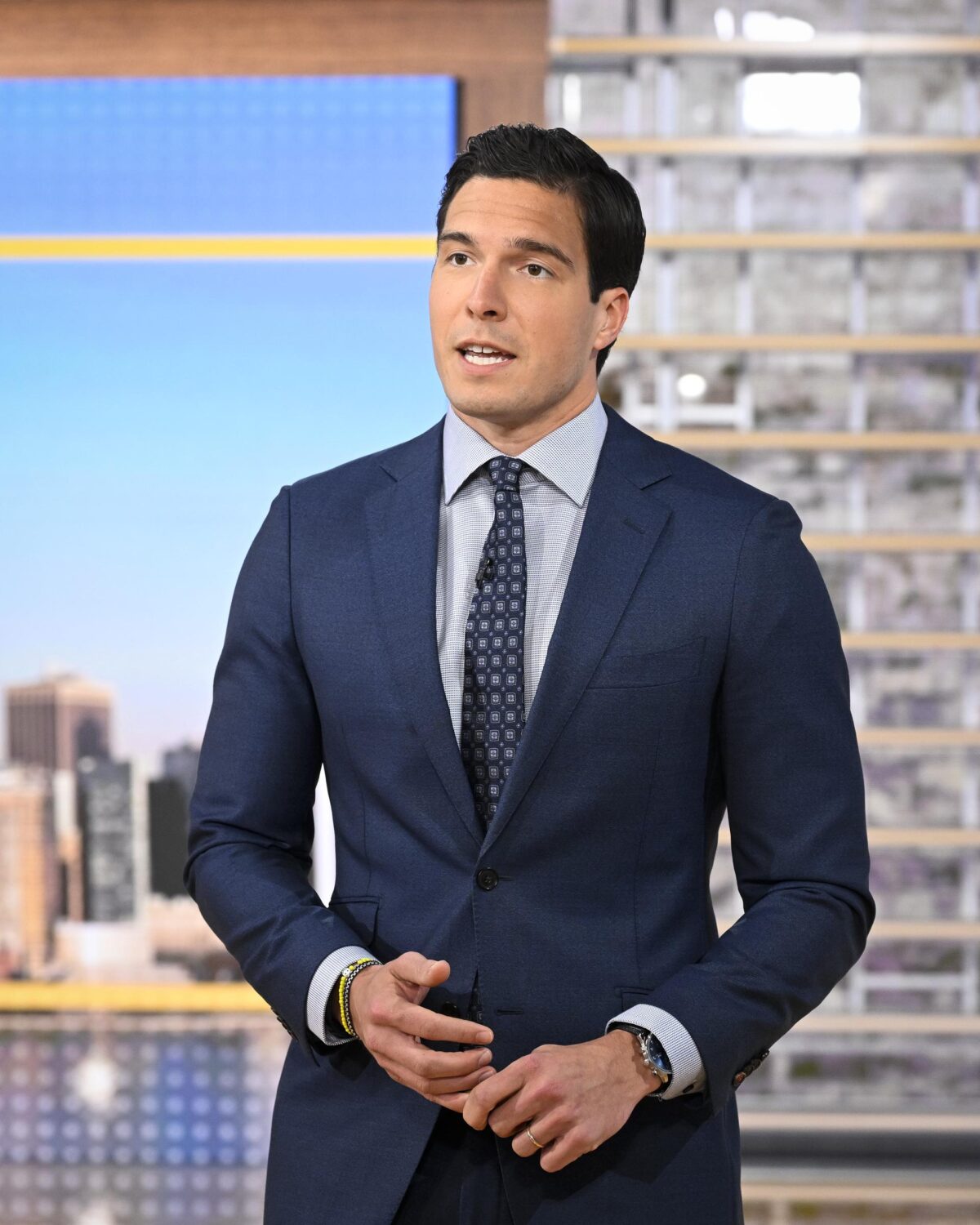
The 34-year-old ABC News national correspondent, known to many from “Good Morning America,” is now speaking publicly for the first time about being diagnosed with testicular cancer this past spring. He says the example set by his late parents shaped how he chose to face his own difficult chapter, and why he decided to share it at all.
The Symptom He Almost Ignored
In April, Will noticed a tender lump on one of his testicles while showering. His first instinct was to dismiss it. “I assumed it was nothing or would go away,” he recalled.
His wife, Amanda Dubin Reeve, whom he had married only about three months earlier, wasn’t willing to take that chance. “It’s probably nothing,” she told him, “but what if it’s something?” She pushed him to get an ultrasound, a decision Will later called stunning in its importance.
“We talk about ‘in sickness and in health,'” Will said. “We got an early test of our vows, just a few months in.” Amanda saw something affirming in how quickly they responded together, calling it validation that they could handle whatever came their way.
Surgery, Diagnosis, and Chemotherapy
By early May, Will underwent an orchiectomy to remove the cancerous testicle, the standard procedure for treating testicular cancer. He admitted he was more anxious about the unfamiliar experience of surgery itself than about losing part of his body, since he hadn’t had an operation since having his tonsils removed at age five.
Further testing revealed that 95 percent of the cancer was embryonal carcinoma, an aggressive form of the disease. That finding led to a second, more extensive procedure: a six-hour surgery on June 10 to remove dozens of lymph nodes from his abdomen. Three of them tested positive for cancer.
That result meant Will needed two rounds of chemotherapy, which he completed on July 31. He underwent cold-capping to try to preserve his hair, joking that the device “looked like the under side of a manta ray.” Anti-nausea medication helped significantly, though he still dealt with headaches and bone pain he described as “ailment whack-a-mole.”
Throughout treatment, Will tried to maintain a sense of normalcy, sometimes heading straight from the “GMA” studios to the hospital for chemotherapy sessions. He credited his ABC colleagues with supporting him through every step of the process.
The diagnosis also raised urgent questions about the couple’s future family plans. Will underwent sperm banking, explaining that while an orchiectomy doesn’t necessarily prevent natural conception, he and Amanda didn’t want to leave anything to chance. Because of that decision, he said they will be able to have biological children through medically necessary IVF.
“We really want to be parents, and the great joy is that we are going to be able to have children, our own children,” he said.
Family History and Future Plans
Will’s path through treatment carried an emotional weight tied directly to his parents. His father, actor Christopher Reeve, was paralyzed in a 1995 horse-riding accident when Will was two years old, and died in 2004 at age 52. Two years later, his mother, Dana Reeve, died of lung cancer at just 44. Will was 13.
Twenty years after his mother’s death, Will found himself being treated for his own cancer at Memorial Sloan Kettering, the same institution where she had received care. “The irony is not lost on me,” he said, reflecting on the coincidence.
He said the experience gave him a new understanding of both parents at once. Going through cancer treatment himself offered insight into what his mother endured, while leaning on Amanda as a caregiver helped him grasp what his father had relied on from Dana during the final years of his life.
“There I was with my wife, who, since the day I met her, has reminded me in so many ways of my mom, now playing the role of wife and caregiver,” he said.
Will underwent his orchiectomy and lymph node surgery only months after marrying Amanda on January 17, 2026, in Miami, a wedding filled with tributes to his late parents, including their wedding bands and keepsakes from his mother’s handwriting. He has said that watching his parents turn adversity into advocacy left a lasting impression on how he approaches hardship.
Cancer-Free and Looking Ahead
As of his September 8 checkup, Will said he is cancer-free. “I’m going to be fine,” he said. “But this was a heck of a chapter.” Doctors throughout his treatment consistently used what he called “the good C-word” — cure.
His follow-up care will involve scans and bloodwork three to four times a year to monitor for recurrence, a frequency expected to decrease over time. Looking back, Will believes catching the lump early made a crucial difference. “I’m fortunate that I caught this early,” he said. “It could have been much worse had I ignored it or delayed going to the doctor.”
He hopes sharing his story encourages others to pay closer attention to their own bodies and to lean on the people around them. And for anyone inclined to feel sorry for him, Will had one request: to redirect that sympathy into care for the people closest to them instead.